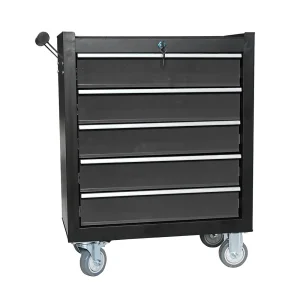
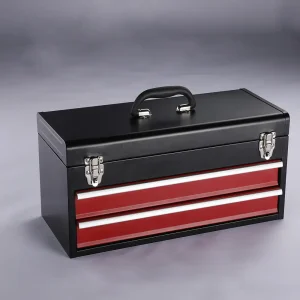
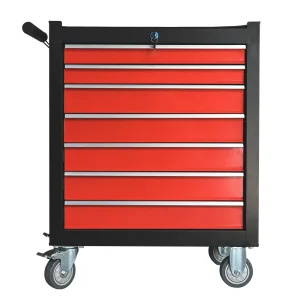
Direct factory-engineered mobile storage configurations optimized for heavy industrial, automotive, and workshop applications.
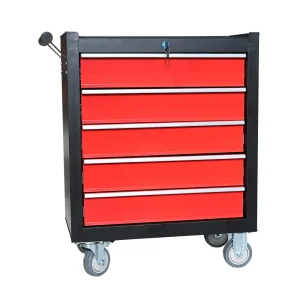
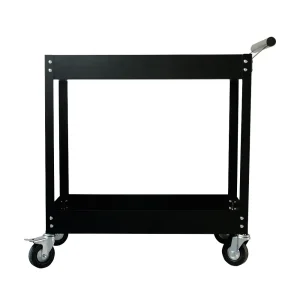
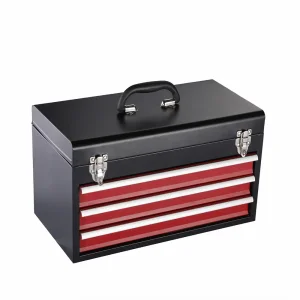
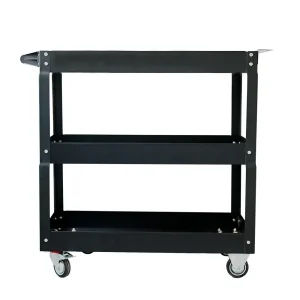
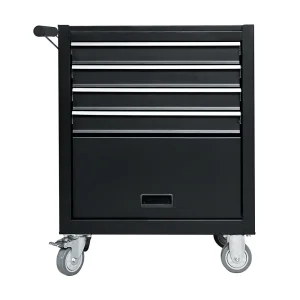
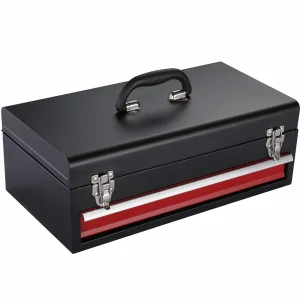
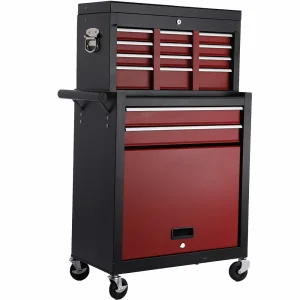
Redefining commercial procurement metrics: Bridging cost efficiency with structural integrity in modern manufacturing environments.
In global industrial procurement, searching for cheap tooltrolley suppliers & products is rarely a search for low-quality consumer items. Rather, it represents a targeted search for high-ROI capital equipment. Procurement officers, workshop managers, and commercial distributors seek suppliers capable of eliminating brand markups while maintaining strict structural steel engineering, high load-bearing capabilities, and ergonomic longevity.
True cost-efficiency (the genuine semantic intent behind commercial queries) is achieved when cold-rolled steel thickness, industrial ball-bearing drawer slides, and heavy-duty caster systems are integrated at scalable OEM manufacturing costs.
Evaluating tool trolley procurement requires looking beyond the initial Free on Board (FOB) price tag. A low-tier trolley that fails under dynamic weight stress, experiences drawer runner binding, or suffers structural fatigue creates substantial downstream operational costs.
By leveraging certified Chinese OEM suppliers like Zhejiang Dingda Industrial Co., Ltd., global enterprises achieve up to 40% reduction in procurement overheads without sacrificing key operational metrics: 45kg–75kg drawer capacities, zero-tilt central lock mechanisms, and 500kg static chassis stability.
A comparative structural overview illustrating where cost savings are generated when working directly with Tier-1 China factories:
| Evaluation Vector | Traditional Western Brand Importer | Direct China Factory (e.g., Dingda) | Impact on Commercial Buyer |
|---|---|---|---|
| Unit FOB Markup | 150% - 250% (Brand royalty & multi-tier retail margins) | Factory-direct margin (Raw material + process margin) | 35% - 50% Net Unit Savings |
| Steel Gauge Thickness | 0.7mm - 0.9mm (Engineered down for weight shipping savings) | 1.0mm - 1.5mm High-density Cold Rolled SPCC Steel | +60% Structural Lifespan & Torsion Resistance |
| Drawer Slide Spec | Standard single-row friction or light ball-bearing (25kg rated) | Dual-row 45mm heavy-duty ball-bearing slides (45kg-75kg rated) | Prevents drawer sag under full workshop tool load |
| Customization / OEM | Fixed off-the-shelf specs; strict SKU limitations | Full OEM/ODM: Custom RAL colors, drawer layout, laser logos | Tailored alignment with regional market demands |
Behind the chassis: Structural metallurgy, precision slide mechanics, and electrostatic surface treatments that define heavy-duty tool trolley performance.
The structural backbone of a commercial tool trolley lies in its sheet metal selection. Premium manufacturing utilizes SPCC cold-rolled carbon steel. Unlike hot-rolled metal, cold-rolled steel offers superior tensile strength, smoother surface topography for powder adhesion, and exceptional dimensional stability under high dynamic loads.
Frame uprights feature folded multi-bend seam construction (up to 1.5mm thickness), ensuring zero lateral sway when fully loaded with automotive hand tools, pneumatic gear, or diagnostic equipment.
Drawer operational friction is a key point of failure in cheaper tool storage. Advanced tool trolleys integrate telescoping 45mm dual ball-bearing slides equipped with quick-release levers and detent-in auto-close mechanisms.
This engineering setup guarantees effortless extension even when a drawer is packed with 50kg of socket sets or heavy power tools. Furthermore, rubber bumper stops absorb impact at full closure, protecting delicate precision tools.
Workplace safety standards (such as ANSI/BIFMA and European CE directives) mandate tipping prevention in industrial mobile units. Professional tool trolley systems employ a single-drawer extension mechanism (anti-tilt system).
When one drawer is extended, the internal steel lock rod automatically secures all remaining drawers. Coupled with a heavy-duty tubular central cylinder lock, valuable tooling remains protected from both workplace accidents and unauthorized access.
A tool trolley is only as dependable as its wheels. Substandard casters flat-spot or snap under heavy payloads. Leading suppliers standardise on 5-inch diameter x 2-inch wide universal swivel casters constructed from High-Density Polyurethane (PU) or Thermoplastic Rubber (TPR) molded around steel hub cores.
To resist harsh industrial environments, metal surfaces undergo a rigorous multi-stage chemical pretreatment, including degreasing, acid pickling, and iron-phosphate bath immersion. Afterward, an electrostatic powder coating (80–100 microns) is applied and cured at 200°C.
Market projections, regional procurement demands, and structural statistics driving modern workshop efficiency across major global markets.
In North America, demand focuses heavily on large-capacity combination units—such as 42-inch to 56-inch rolling tool chests with integrated wooden or stainless-steel worktops. Key buyer priorities center on heavy-gauge steel, high drawer depth for pneumatic tools, and lockable side cabinets.
Conversely, the European industrial landscape favors compact, highly mobile 7-drawer tool trolleys built to DIN EN ISO standards. European buyers place strong emphasis on modular foam tray compatibility (EVA foam inlays), integrated pegboards for visual tool organization, and strict environmental compliance (REACH/RoHS certified coatings).
Rapid expansion in automotive manufacturing hubs across Southeast Asia, Latin America, and the Middle East has fueled a massive surge in demand for cost-effective metal storage solutions. As auto repair chains and industrial MRO centers modernize, transitioning away from static wooden workbenches toward mobile tool trolleys is critical for reducing technician downtime.
Direct sourcing from China suppliers enables these growing businesses to acquire commercial-grade equipment at a fraction of Western brand costs, drastically shortening payback periods on workshop capital investments.
How tailored tool trolley designs maximize productivity, safety, and inventory control across distinct industry sectors.
In high-velocity dealership service bays and auto body shops, technicians move between vehicle lifts continuously. Rolling tool trolleys with 5 to 7 drawer configurations serve as mobile nerve centers.
Top compartments accommodate diagnostic laptops and torque wrenches, while lower deep drawers hold heavy impact guns and hydraulic jacks. Oil-resistant TPR wheels ensure seamless movement across epoxy workshop floors covered in lubricants.
Aviation maintenance demands absolute Foreign Object Debris (FOD) prevention and 100% tool accountability. Custom tool trolleys used in aircraft hangars feature laser-cut two-color EVA foam inserts within every drawer.
If a wrench is missing after a service cycle, the bright contrasting red under-layer instantly alerts engineers, ensuring zero tools are left inside airframes or engine nacelles.
In heavy machinery manufacturing, tool trolleys are exposed to severe vibration, metal dust, and extreme weight loads. High-capacity cantilever metal toolboxes and reinforced rolling cabinets provide the necessary structural resilience.
Perforated side panels allow quick attachment of external hanging bins, paper towel holders, and power strip brackets for cordless battery charging.
Why Zhejiang manufacturing clusters lead the global market in tool storage cost-performance and production agility.
Zhejiang Province (specifically Jinyun and Yongkang industrial zones) forms the core of the global hardware and metal fabrication industry. Within a 30-kilometer radius, tool cabinet manufacturers access high-grade raw steel suppliers, precision caster foundries, lock cylinder specialists, and automated powder coating chemical providers.
This extreme supply chain concentration drastically reduces raw material transit times, minimizes component freight costs, and enables rapid scaling of manufacturing output during peak seasonal demands.
Modern Chinese manufacturing facilities have moved far beyond labor-intensive assembly. State-of-the-art factories employ full-automation tech stacks:
The convergence of smart IoT hardware, autonomous mobility, and sustainable metallurgy in next-generation tool storage systems.
Next-gen tool trolleys feature integrated RFID antennas within drawers. Tools tagged with micro-transponders are scanned automatically upon drawer closure, relaying real-time inventory counts to central ERP systems to eliminate tool loss.
Replacing traditional key locks, advanced units now adopt fingerprint scanners, NFC card readers, and Bluetooth mesh smartphone connectivity. Managers assign granular access permissions to individual technicians per drawer tier.
Designed for Industry 4.0 automated factories, upcoming rolling trolleys incorporate standardized hitching brackets and docking baseplates compatible with Autonomous Mobile Robots (AMRs) for automated workshop transport.
Environmental sustainability efforts are driving a shift toward non-toxic powder chemistries, low-temperature curing cycles, and 100% closed-loop wash water reclamation during pretreatment phases.
De-risking international procurement through certified quality management, custom packaging engineering, and warranty backstopping.
Navigating import customs requires strict adherence to destination standards. Trusted suppliers maintain comprehensive compliance documentation:
Transit damage destroys profit margins. Standard export packaging incorporates 5-ply double-wall corrugated cartons, corner edge protectors, high-density EPE foam cradles, and heavy-duty fumigation-free wooden pallets.
Knock-Down (KD) packaging options increase container loading capacity by up to 40% per 40ft HQ container, significantly cutting ocean freight costs per unit.
To ensure long-term customer satisfaction, OEM suppliers provide replacement part supply programs. Every container shipment can include spare drawer slide sets, lock barrels, master keys, and caster assemblies.
Direct factory alignment guarantees prompt access to replacement parts throughout the product lifecycle.
Technical guidance and commercial purchasing insights for prospective global distributors and enterprise buyers.
Direct factory sourcing eliminates multi-tiered importer markups, distributor margins, and expensive brand royalty fees. Furthermore, factories located in Zhejiang metal clusters benefit from bulk raw steel purchasing power, automated robotic assembly, and low supply chain transport costs—delivering high-spec tool trolleys at true baseline production costs.
For professional workshop and industrial applications, we recommend specifying a main body cabinet frame thickness of 1.0mm to 1.2mm, structural upright reinforcements of 1.5mm, and drawer shell thicknesses of 0.8mm to 1.0mm. Light-duty consumer carts often use sub-0.7mm steel, which leads to structural buckling under heavy tool loads.
Yes. OEM/ODM customization is standard for commercial production orders. Buyers can select specific RAL powder-coat colors, customize drawer depth ratios (e.g., 3 shallow + 2 deep), choose between stainless steel or wood worktops, and request silk-screened or laser-engraved corporate branding on lock faceplates and drawer handles.
Static load capacity refers to the maximum stationary weight a tool trolley can support while parked on a level surface (typically 500kg to 800kg for industrial units). Dynamic load capacity defines the maximum safe carrying weight while the trolley is actively rolling across workshop floor transitions and over minor obstacles (typically 300kg to 450kg total).
Anti-tilt interlocking systems prevent more than one drawer from opening at the same time. If a user pulls out a drawer containing 60kg of tooling, opening a second heavy drawer simultaneously shifts the cabinet's center of gravity forward, causing it to tip over. Interlocking rods mechanically lock all other drawers to ensure complete operator safety.
Standard production lead time ranges between 30 and 45 days upon deposit receipt and sample sign-off. MOQ varies by model complexity: standard catalog tool trolleys typically require a 50-to-100 unit order (or 1x20ft container aggregate mix), while fully bespoke OEM engineered cabinets may require 200 units to offset custom tooling set-up costs.
Explore our full line of export-ready metal tool chests, cantilever boxes, and rolling cabinets.