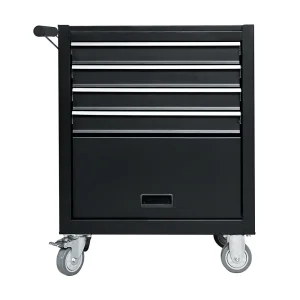
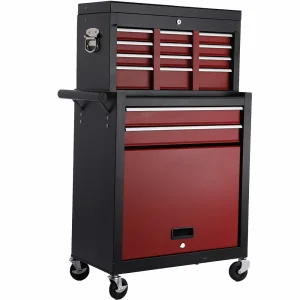
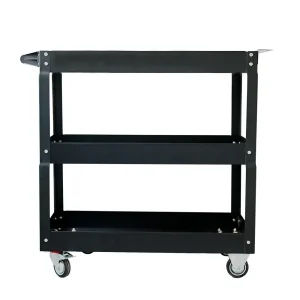
Engineered to meet stringent European CE Directives and international heavy-duty workshop standards.
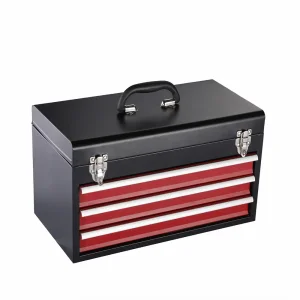
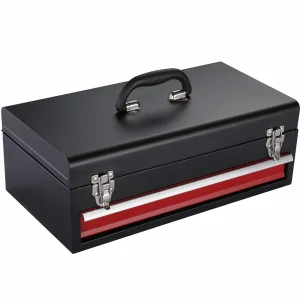
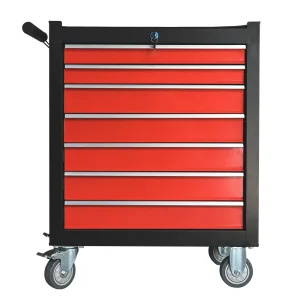
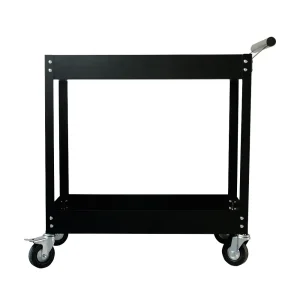
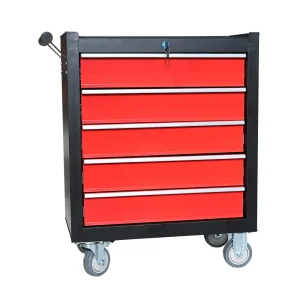
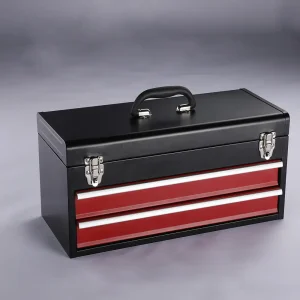
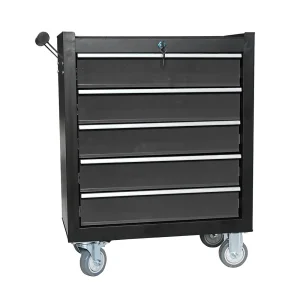
In the modern industrial manufacturing ecosystem, professional metal tool boxes, rolling cabinets, and mobile modular workstations represent critical assets for operational safety, tool organization, and workflow efficiency. As global procurement shifts toward high-precision hardware, global enterprises—spanning automotive assembly plants, aerospace maintenance hangars, heavy machine workshops, and commercial service centers—demand strict compliance with international safety and quality standards.
The core of modern B2B tool storage procurement rests upon verified regulatory adherence. A standard **CE Certification for International Tool Box Manufacturers** is no longer merely a decorative quality mark; it serves as a legally mandatory baseline for entering the European Economic Area (EEA) and a trusted global benchmark for mechanical safety, structural integrity, and ergonomic stability. Modern industrial tool boxes must undergo rigorous structural load-bearing analyses, tipping tests, anti-rust environmental exposure trials, and anti-tilt locking mechanism verifications before deployment.
Key Strategic Takeaway: Modern enterprise procurement teams prioritize manufacturers who integrate structural engineering precision (SPCC cold-rolled steel, heavy-duty ball-bearing slides) with full CE regulatory compliance. This dual emphasis minimizes workplace liability, eliminates transit damage, and ensures long-term ROI across commercial applications.
Global industrial tool storage market growth is accelerating toward smart modularity, heavy load-bearing capacities, and standardized ergonomic layouts designed for lean production environments.
Mandatory adherence to CE Directives (Machinery Directive 2006/42/EC, REACH, RoHS) safeguards enterprise procurement managers against non-compliance penalties and structural failures.
Advanced CNC sheet metal processing, automated robotic spot-welding, and electrostatic powder coating deliver long-term resilience against industrial wear and environmental oxidation.
To qualify for global industrial supply chains, a tool box manufacturer must implement rigorous quality assurance protocols during raw material selection, structural fabrication, and mechanical assembly. CE marking indicates that tool storage cabinets, portable tool chests, and mobile workshop carts meet high European safety, health, and environmental protection requirements.
| Certification / Standard | Core Testing Criterion | Engineering Benchmark Specs | Procurement Impact & Benefit |
|---|---|---|---|
| CE Machinery Directive 2006/42/EC | Mobile stability, mechanical safety, caster braking load | Dynamic tilt test up to 15° slope under 100% full capacity load | Prevents tipping accidents and mobile unit rollover in busy production bays. |
| ISO 9001:2015 | Factory quality management system & process control | Traceability of steel raw materials and standardized production workflows | Guarantees dimensional consistency across multi-container wholesale shipments. |
| EN 14470-1 / ANSI BIFMA | Drawer slide endurance & dynamic weight rating | 50,000+ cycle drawer opening tests under 45kg to 100kg slide load | Prevents ball-bearing slide failure under heavy mechanical tool storage. |
| RoHS 3 & REACH Standards | Non-toxic eco-friendly powder coating chemistry | Zero lead, cadmium, or hazardous VOC emissions in surface finish | Ensures compliance with European environmental safety & workplace health rules. |
| ASTM B117 Salt Spray Test | Corrosion and rust resistance of metal surface finish | 500+ hours continuous salt fog spray without surface blister or oxidation | Protects cabinets deployed in high-humidity, marine, or coastal maintenance units. |
One of the primary safety evaluation parameters in CE certified tool cabinet trolleys is the single-drawer interlocking anti-tilt system. When an technician pulls out a drawer packed with heavy iron wrenches, sockets, or power tools, the center of gravity shifts forward. Without a safety interlock mechanism, opening multiple loaded drawers simultaneously causes the entire cabinet to tip forward, risking severe operator injury and equipment damage.
Tier-1 factories engineer heavy-gauge steel locking bars connected to internal latching mechanisms. This physical interlock permits only one drawer to extend at a time while keeping remaining drawers securely locked in position. Coupled with tubular central cylinder locks, these safety features satisfy international industrial safety compliance demands.
In the contemporary B2B market, enterprise procurement officers, hardware importers, and OEM brand buyers look beyond basic unit pricing. They analyze Total Cost of Ownership (TCO), supply chain durability, factory manufacturing capacity, and customizable modularity. Modern tool storage solutions must integrate seamlessly into diverse industrial workflows.
Automotive dealerships and commercial repair garages require mobile tool trolleys featuring heavy-duty oil-resistant casters, soft rubber top work surfaces, and specialized drawer height layouts tailored to pneumatic tools and diagnostic equipment.
High-precision sectors demand standardized tool control systems. Tool boxes integrated with multi-color CNC foam tray cutouts (Foreign Object Debris / FOD prevention) and electronic lock logging ensure complete tool accountability.
For field technicians, mobile multi-tray cantilever toolboxes and portable lockable metal cases deliver lightweight portability combined with maximum impact-resistant cold-rolled steel construction.
Assembly plants require multi-drawer tool cabinets featuring ultra-heavy dynamic load capacities (up to 1,000kg overall static capacity), integrated power strips, side pegboards, and heavy-gauge protective bumpers.
A professional metal tool box manufacturer operates dedicated automated production lines. Precision tooling ensures that every drawer bend, weld seam, powder coating thickness, and slide channel meets strict tolerance thresholds (+/- 0.5mm).
The transition from raw cold-rolled steel coils to a CE certified industrial tool cabinet involves several high-precision engineering stages:
Shipping heavy metal tool chests globally requires robust export packaging. Sea freight transit subjects metal cargo to salt fog, humidity shifts, container condensation, and multi-modal handling impacts. ISO-certified manufacturers implement rigorous protective packaging standards to guarantee flawless delivery.
Each tool cabinet is wrapped in Volatile Corrosion Inhibitor (VCI) polybags that release invisible protective vapors to block oxygen and moisture oxidation during long ocean transits.
Heavy 5-ply double-wall corrugated cartons reinforced with high-density EPS foam corner guards absorb drop impacts and prevent cabinet frame distortion during container loading.
Reinforced fumigation-free wooden or steel pallets feature forklift access channels, high-tensile PET strapping, and stretch wrapping to secure multi-unit wholesale shipments.
The tool box manufacturing sector is evolving from passive metal storage to intelligent, digitized workshop hardware. Emerging technological trends shaping next-generation industrial tool chests include:
Embedded RFID antennas automatically scan drawer contents upon closing, updating inventory databases in real time and warning mechanics of missing tools before aircraft or vehicle dispatch.
Replacing traditional keys with Bluetooth low-energy (BLE), fingerprint scanners, or PIN keypads lets shop managers control access permissions across maintenance teams.
In-depth responses covering regulatory compliance, OEM customization parameters, structural load specs, and export logistics.
Industrial tool cabinets and mobile trolleys fall under the **CE Machinery Directive (2006/42/EC)** for mechanical structural stability and operational safety. This directive governs anti-tilt drawer locking mechanisms, wheel brake load-bearing stability, and edge radius safety. Additionally, surface coatings must comply with REACH (EC 1907/2006) and RoHS 3 directives regarding toxic heavy-metal restrictions.
SPCC (Steel Plate Cold-rolled Commercial) undergoes cold reduction rolling at room temperature, producing superior tensile strength, smooth surface finish, and exact thickness tolerances. SPCC steel offers enhanced bending rigidity and uniform powder coat adhesion compared to hot-rolled steel, ensuring that tool box walls and drawer slides withstand heavy load stresses without buckling.
Yes. As a direct manufacturer, Dingda provides complete OEM/ODM customization. Buyers can specify overall unit dimensions, drawer height configurations, custom RAL powder coating color combinations (e.g., dual-tone red/black or blue/gray), laser-etched brand logos, silk-screened badges, and custom EVA foam tool cutouts matching specific tool sets.
Drawer slides are tested according to EN 14470-1 and ANSI/BIFMA X5.9 standards. Testing involves cycling fully loaded drawers (ranging from 45kg for standard drawers to 100kg for heavy-duty lower drawers) through 50,000 continuous open-close cycles. Slide alignment, deflection, and smooth ball-bearing operation are continuously measured throughout the test.
Standard production lead time for standard catalog items is 25 to 35 days upon order confirmation and deposit receipt. For custom OEM engineering orders requiring new tooling or non-standard powder formulation, lead times range between 35 and 45 days. Minimum Order Quantities (MOQ) typically start at one 20ft container (approx. 50 to 150 units depending on cabinet dimensions).
Explore our full range of heavy-duty, lockable tool boxes engineered for global hardware buyers.