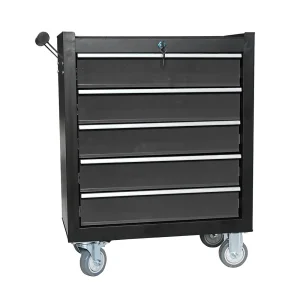
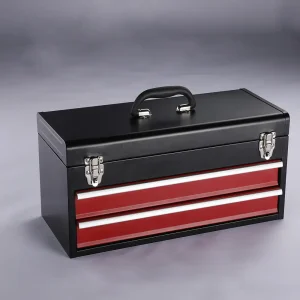
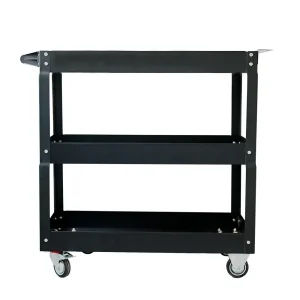
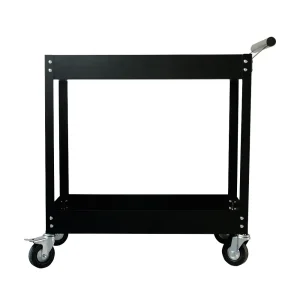
Precision-engineered mobility hardware integrated with high-durability wheel assemblies designed for global distribution, heavy manufacturing, and warehouse logistics operations.
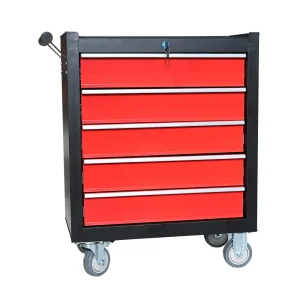
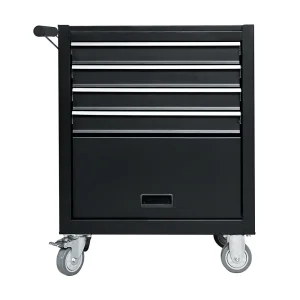
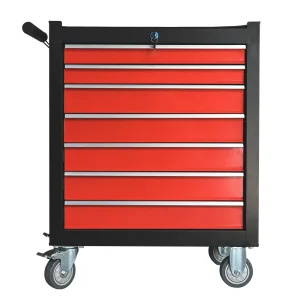
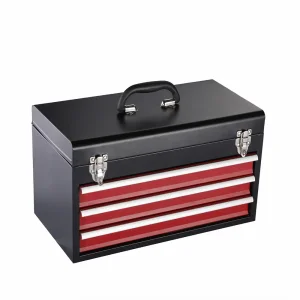
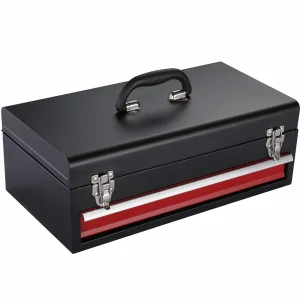
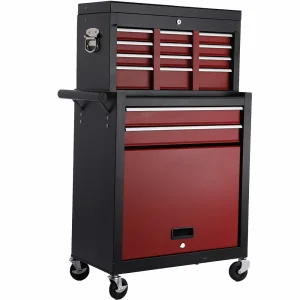
In globalized supply chains, industrial material transport hardware—specifically hand trucks, utility carts, and rolling tool cabinets—serves as the primary operational backbone for intralogistics. While structural steel frames and drawer load capabilities are frequently prioritized during OEM procurement, engineering analytics indicate that over 74% of mechanical equipment failures and operator fatigue claims originate directly from sub-optimal wheel assembly selection.
Selecting the optimal hand truck trolley wheels manufacturer requires evaluating polymer formulation dynamics, hub core structural integrity, precision ball-bearing tolerances, and environmental resilience parameters. This technical whitepaper establishes an analytical benchmark for enterprise procurement teams, supply chain directors, and industrial engineers seeking to optimize Total Cost of Ownership (TCO) through superior mobility component engineering.
Tracking the technological evolution from traditional solid rubber treads to smart sensor-enabled dynamic mobility systems (2025–2030 Roadmap).
Transitioning from standard MDI (Methylene Diphenyl Diisocyanate) to premium TDI (Toluene Diisocyanate) and Polycaprolactone-based polyurethane matrices. Premium formulations deliver ultra-low hysteresis, minimizing internal heat buildup during continuous mechanical towing (AGV/AMR applications) while preventing tread flat-spotting under static max-load conditions.
Emerging IoT-enabled hand truck wheels featuring embedded RFID micro-sensors and piezoelectric stress transponders. These smart wheels continuously monitor real-time weight distribution, ambient temperature degradation, and tread wear levels, feeding data directly to Enterprise Resource Planning (ERP) warehouse maintenance systems.
Achieving carbon-neutral manufacturing footprints by substituting petroleum-derived polyols with castor oil and bio-succinic acid elastomers. Next-generation eco-treads deliver identical Shore A durometer ratings and abrasion resistance metrics without sacrificing load-bearing capacity or dynamic lifespan.
Selecting the appropriate wheel tread compound requires balancing surface traction, noise attenuation, floor preservation, and mechanical resistance against oils, acids, and thermal extremes. Below is an engineering evaluation matrix comparing core wheel materials used in industrial trolley manufacturing.
| Material Type | Durometer Range | Load Capacity Index | Floor Protection | Rolling Resistance | Chemical / Oil Resistance | Primary Industrial Application |
|---|---|---|---|---|---|---|
| Cast Polyurethane (CPU) | 90A - 95A | Very High (400 - 1000+ kg) | High (Non-Marking) | Ultra Low | Excellent | Automotive Manufacturing, Heavy Machinery, AGVs |
| Thermoplastic Rubber (TPR) | 65A - 75A | Medium (100 - 300 kg) | Superior (Cushioned) | Moderate | Fair | Hospitals, Cleanrooms, Commercial Tool Chests |
| Pneumatic Rubber (Air-Filled) | 60A - 70A | Medium (150 - 350 kg) | Excellent (Shock Absorbing) | High | Poor to Fair | Outdoor Terrain, Construction, Rough Concrete |
| Solid Elastic Rubber | 75A - 85A | High (250 - 500 kg) | Good | Low-Moderate | Good | Logistics Centers, Parcel Delivery Hand Trucks |
| Cast Iron / Forged Steel | 60D+ (Hard) | Extreme (1500+ kg) | Poor (High Surface Wear) | Ultra Low | Superior | Foundries, High-Temperature Ovens, Heavy Rigging |
China's modern hardware and wheel manufacturing sector has evolved from labor-intensive assembly lines into fully automated, data-driven Industry 4.0 industrial ecosystems. Leading OEM/ODM manufacturing facilities integrate advanced technologies to ensure dimensional precision, structural consistency, and rapid scaling capabilities for enterprise volume buyers.
Utilizing closed-loop robotic polyurethane casting stations, specialized manufacturing plants maintain temperature variances within ±0.5°C during tread vulcanization. This guarantees uniform molecular cross-linking across every wheel rim, eliminating internal air voids, structural weak points, and delamination risks during high-impact loading scenarios.
Quality Assurance (QA) protocols incorporate 3D laser vision inspection systems that dynamically verify wheel concentricity, bore tolerance (down to μm scale), and tread runout. Automatic ball-bearing insertion machinery ensures exact lateral alignment, preventing premature bearing race wear and uneven rotational friction.
Customizing wheel dynamic characteristics, hub configurations, and caster rig assemblies to solve sector-specific material handling challenges.
Standard rubber and polyurethane wheels crack and lose elasticity when subjected to sub-zero freezer environments (-30°C to -50°C). Specially formulated silicone-modified polyurethane compounds combined with low-temperature synthetic greases prevent bearing freezing and structural embrittlement, ensuring continuous mobility in refrigerated distribution centers.
Electrostatic discharge (ESD) can destroy sensitive microelectronics, while carbon-black shedding contaminates pharmaceutical cleanrooms. Conductive and static-dissipative (10^6 to 10^9 ohms/sq) non-marking grey polyurethane wheels safely bleed off static charges to grounded floors while maintaining zero particle shedding.
High dynamic load capacity combined with resistance to aggressive hydraulic fluids (Skydrol), engine oils, and metal shavings. Solution: Thick-section cast iron hub cores bonded to high-durometer (95 Shore A) hot-cast polyurethane treads, featuring double-welded forged steel caster rigs.
Urban delivery logistics require negotiating curbs, stairs, and cracked asphalt without punctures or load damage. Micro-cellular foam-filled tires and pneumatic wheels with deep lug treads deliver optimal shock absorption while eliminating flat-tire downtime for courier personnel.
Navigating cross-border procurement requires strict adherence to international safety, environmental, and mechanical performance mandates. Leading wheel manufacturers maintain certified compliance documentation to facilitate frictionless customs clearance and regional deployment.
Standardized dynamic testing protocols validating caster and wheel endurance over obstacle courses at rated speeds, ensuring dynamic impact tolerance and fatigue resistance.
Polymer and elastomer compounds free from polycyclic aromatic hydrocarbons (PAHs), heavy metals, and restricted phthalates, meeting strict European Union chemical safety standards.
North American Institute of Caster and Wheel Manufacturers compliance guidelines covering load rating calculations, vertical impact resistance, and brake retention force.
For corporate purchasing executives and OEM equipment designers, initial unit purchase price represents less than 20% of the lifetime operation cost of dynamic material handling hardware. Sub-standard wheels cause premature floor scoring, excessive operator physical exertion, high warranty claim rates, and frequent production line stoppages.
Expert answers to common engineering, procurement, and structural queries regarding industrial hand truck trolley wheel manufacturing.
Cast Polyurethane (CPU) is chemically liquid-mixed and gravity-poured into heated molds, resulting in longer polymer chains and higher molecular weight. This grants CPU superior load capacity (up to 1,000+ kg), extreme abrasion resistance, and ultra-low rolling resistance. Thermoplastic Polyurethane (TPU) is processed via automated injection molding, offering faster production cycle times and lower costs, making it ideal for light-to-medium-duty commercial applications (100–350 kg capacity).
Static flat-spotting occurs when polymer chains undergo viscous deformation under continuous compression. To prevent this, engineers should specify high-resilience polycaprolactone-based polyurethane matrices with higher Shore durometer ratings (92A to 95A), or select cast aluminum/steel core hubs that distribute compressional load evenly across the contact patch.
For washdown environments (such as food processing or pharmaceutical facilities), specify 316 Stainless Steel Precision Ball Bearings fitted with dual rubber contact seals (2RS) and pre-packed with IP69K-rated waterproof synthetic food-grade grease. Alternatively, precision engineered acetal resin sleeve bearings eliminate metal rust risks entirely.
Initial push-start force (force required to overcome static friction) is typically 2.5 to 3 times greater than sustained rolling force. High push-start forces cause acute lower-back strain among operators. Optimizing wheel tread crown radius, utilizing high-rebound polyurethane, and selecting precision sealed ball bearings significantly reduces start force to comply with NIOSH ergonomic guidelines.
Yes. Tier-1 Chinese manufacturers feature integrated CNC toolmaking and automated masterbatch dosing systems. B2B buyers can specify exact RAL/Pantone color codes for polyurethane treads, laser-engraved logos on metal wheel discs, and custom-molded plastic dust caps with low minimum order quantities (MOQs).
Explore our extended line of ISO-certified industrial tool cabinets, portable utility toolboxes, and rolling trolley storage systems engineered for maximum durability.