A well-chosen Tools Storage Cabinet can change a workshop’s daily rhythm. Drawers close quietly. Labels face forward. Frequently used wrenches stay within one arm’s reach. These small details reduce searching, protect equipment, and support safer work. However, no cabinet suits every workshop. That limitation deserves attention.
Mordor Intelligence’s Tool Storage Products Market report highlights workplace organization, industrial maintenance, and modular storage as important market drivers. Grand View Research’s Industrial Storage Cabinets Market analysis also points to durability, customization, and efficient space use as continuing buyer priorities. These findings matter for global purchasers. A cabinet may cross borders, but local workshops still differ in climate, floor space, labor practices, and service expectations.
Lean workplace expert Paul Akers, author of 2 Second Lean, says, “5S is about making the workplace visual, organized, and easy to manage.” His principle gives this buying guide a practical foundation. The following selection considers load capacity, drawer construction, locking systems, corrosion resistance, mobility, replacement parts, and after-sales support. It also considers honest weaknesses. A heavy steel cabinet may provide excellent stability, yet complicate installation on upper floors. A cheaper model may look attractive, but its slides can weaken under repeated loads. Global buyers should verify certifications, packaging quality, warranty terms, and compatibility with local power or assembly requirements. The best Tools Storage Cabinet is not always the largest or most expensive. It is the one that keeps tools visible, secure, reachable, and productive for years.
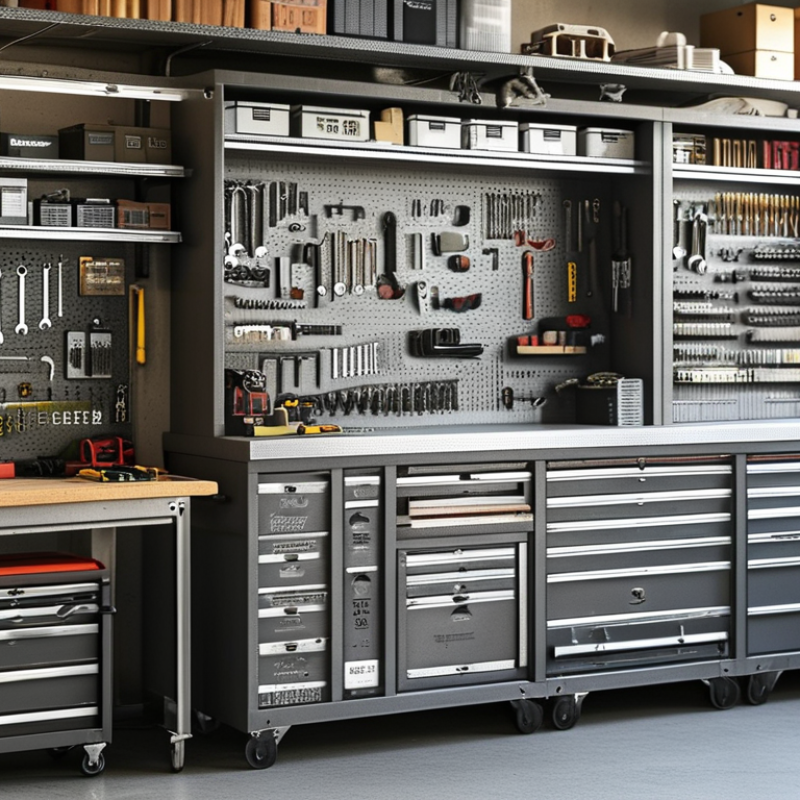
Tool Storage Cabinets for Different Workspaces
A home garage needs compact storage with shallow drawers and adjustable shelves. These features keep hand tools visible without blocking the vehicle door. Lockable drawers add control when children or visitors share the space. A powder-coated steel cabinet usually handles dust, oil, and daily knocks well. Measure the wall first. I once chose a cabinet by appearance and lost valuable walking space.
Professional workshops need stronger drawer slides, higher load ratings, and wider compartments. Deep drawers suit power tools, while narrow trays hold sockets, bits, and measuring equipment. Mobile technicians may prefer cabinets with large casters and reliable brakes. A reinforced handle helps movement across uneven floors. However, wheels can reduce stability during heavy work. Floor anchoring may be wiser in a fixed repair area.
Industrial workspaces require clear labeling, corrosion resistance, and controlled access. Tall cabinets use vertical space efficiently, but heavy items should stay low. Electronics areas benefit from sealed drawers and anti-static storage materials. Wet environments demand careful attention to coatings and ventilation. No cabinet fits every workspace perfectly. Buyers should compare dimensions, load data, locking systems, and maintenance requirements before ordering. It is easy to underestimate future tool growth. Leaving some spare capacity is often the more professional choice.
Choosing among the 10 best tool storage cabinets requires more than counting drawers. Load capacity should match real equipment, not an optimistic catalogue estimate. Check each drawer’s rated load, cabinet weight, and anchoring method. A fully opened drawer can shift the centre of gravity. Anti-tip interlocks matter in busy workshops.
Bureau of Labor Statistics data recorded about 2.6 million nonfatal workplace injuries in private industry during 2023. Storage design cannot prevent every incident, but it can reduce avoidable handling risks. Look for smooth drawer travel, rounded edges, stable casters, and handles that remain comfortable with gloves. ISO 7170 testing also offers a useful reference for storage-unit strength and durability. Certifications still need verification.
Global buyers should compare steel thickness, corrosion protection, lock quality, and replacement-part availability. Humid ports can expose weak coatings quickly. A cabinet that performs well in a dry showroom may fail near coastal production lines. Measure doorways, lifts, and pallet dimensions before ordering. I have found that “heavy duty” often means little without a published load table. The overlooked detail is service access. If a damaged wheel requires special tools or overseas shipping, downtime becomes expensive. Specifications are useful, but photographs of welds, hinges, and drawer runners reveal more than polished marketing language.
Top Tool Storage Cabinet Options for Global Buyers should match workload, climate, and service conditions. A heavy-duty steel cabinet suits workshops storing torque tools, dies, and power equipment. Modular drawer cabinets fit maintenance teams that need fast visual access. Mobile units work well near production lines, but their casters need verified load ratings and brakes.
The MHI 2024 Annual Industry Report found that 55% of supply chain leaders planned to increase technology investment. This supports demand for more organized, efficient workspaces. However, cabinets are not automatically productive. Poor drawer layouts create wasted movement. In my experience, a 100-millimeter drawer often handles small tools better than a deep drawer filled with mixed hardware. Buyers should check steel thickness, drawer cycle testing, lock quality, and replacement-part availability. ISO 7170 testing principles can help assess strength, durability, and stability.
Tips: Compare usable drawer volume, not external dimensions. Ask for corrosion-test details when shipping to humid regions. Confirm packaging dimensions before calculating freight. A cabinet may pass a factory inspection but arrive dented after long transport. I would also avoid choosing the largest model by default; oversized storage can encourage disorder and raise shipping costs. Reports from Grand View Research and MHI indicate continued investment in industrial efficiency, but local labor practices and workshop space still determine the best cabinet configuration. Need more reflection there.
For global buyers, the ten best tool storage cabinets are not judged by appearance alone. Material choice matters. Cold-rolled steel offers strength, while stainless steel suits humid workshops and coastal regions. Aluminum reduces weight but may need reinforced drawers. A durable powder-coated finish helps resist scratches, oil, and surface rust. However, coating quality can vary. Request salt-spray results and production inspection records.
Safety deserves equal attention. Check each drawer’s load rating, slide durability, lock strength, and anti-tip design. Fully opened drawers should remain stable, even with heavy hand tools inside. Cabinets with rounded edges reduce workplace injuries. Buyers should also confirm whether the product meets applicable regional safety requirements. Certificates are useful, but model-specific test reports are more reliable. I have seen impressive certificates that did not match the shipped cabinet.
Tips: Measure the doorway, lift capacity, and floor space before ordering. Ask for steel thickness, tolerance data, packaging details, and spare-part support. Confirm corrosion protection for long-distance shipping. For international purchases, inspect traceability labels and quality records. Photographs alone are insufficient. A pre-shipment inspection may reveal bent panels, uneven drawers, or weak casters. No cabinet is perfect, and even a well-designed unit can fail when overloaded or installed on an uneven floor.
Publication and amendment years of widely referenced standards for safety, quality management, environmental management, and machinery-related risk control.
Global buyers should verify the applicable edition and local legal requirements before purchasing. Steel cabinets are commonly assessed for structural strength, corrosion resistance, safe drawers, locking systems, and stable installation. Stainless steel or coated carbon steel may be selected according to humidity, chemical exposure, and operating environment. These standards provide reference points for product safety and supplier quality systems; they do not certify a specific cabinet design by themselves.
When comparing the 10 best tool storage cabinets for global buyers, price is only the beginning. Start with your actual tools, not the cabinet’s advertised capacity. Measure your drills, cases, sockets, and long-handled equipment. Leave at least 15% unused space for future purchases. A crowded drawer wastes time and may damage delicate tools.
Construction matters more than a glossy finish. Look for reinforced steel panels, smooth drawer slides, stable casters, and a secure locking system. Check the load rating for each drawer, not only the total cabinet capacity. Powder-coated surfaces usually resist workshop dust and light moisture. However, no coating prevents rust in a damp room. Place the cabinet on a level floor and inspect the wheels before regular use. I once selected a low-cost cabinet with shallow drawers. It looked practical, but larger cases stayed outside. That was a poor decision.
Tips: Compare delivered cost, packaging quality, warranty terms, and replacement-part support. Ask the supplier for dimensions, material thickness, load data, and inspection documents. Confirm that the cabinet fits through doors, elevators, and narrow aisles. Consider adjustable shelves if your tools change often. Think about noise, too. A quiet drawer is valuable in shared workspaces. The cheapest option may still win, but only after these checks.全文
Choose a compact cabinet with shallow drawers and adjustable shelves. It keeps hand tools visible and protects vehicle space. Lockable drawers help when children or visitors enter. Measure the wall first. Appearance alone can mislead.
Look for strong drawer slides, high load ratings, and wide compartments. Deep drawers hold power tools and cases. Narrow trays suit sockets, bits, and measuring equipment. Smooth movement saves time.
Mobile cabinets help technicians move tools across large work areas. Choose large casters, dependable brakes, and a reinforced handle. Wheels may reduce stability during heavy work. Anchoring is safer in fixed repair areas.
Industrial cabinets need clear labels, corrosion resistance, and controlled access. Keep heavy items in lower drawers. Tall cabinets use vertical space efficiently. Labels reduce searching time.
Use sealed drawers and anti-static storage materials. These features help protect sensitive equipment from dust and static buildup. Avoid treating ordinary storage as fully protective. The wrong material can create problems.
Leave at least 15% spare capacity for future tools. Measure drills, cases, sockets, and long-handled equipment first. Crowded drawers waste time and may damage delicate tools. More space is not always better.
Check reinforced steel panels, smooth slides, stable casters, and secure locks. Review each drawer’s load rating, not just total capacity. Powder-coated surfaces resist dust and light moisture. They do not stop rust in damp rooms.
Compare dimensions, delivered cost, packaging quality, warranty terms, and replacement-part support. Confirm the cabinet fits doors, elevators, and narrow aisles. Ask for material thickness and inspection documents. I once ignored drawer depth. Larger cases stayed outside. That choice was poor.
Choosing the right Tools Storage Cabinet can improve organization, safety, and efficiency in workshops, warehouses, garages, and industrial workspaces. This guide explains the main cabinet types, including mobile units, wall-mounted designs, modular systems, and heavy-duty floor cabinets, helping global buyers match storage solutions to available space and daily work requirements. It also highlights key features to compare, such as capacity, drawer configuration, mobility, locking systems, ergonomic design, and ease of maintenance.
The article further reviews practical tool storage options for different budgets and applications while discussing materials, protective finishes, load strength, safety features, and international quality expectations. Buyers should consider the tools they need to store, workspace dimensions, usage frequency, transportation conditions, and long-term durability before making a decision. By balancing functionality, construction quality, safety, and total cost, purchasers can select a reliable cabinet that supports organized operations and delivers lasting value.